Top 10 Masai Mara Wildlife Viewing Tips for First Time Travelers
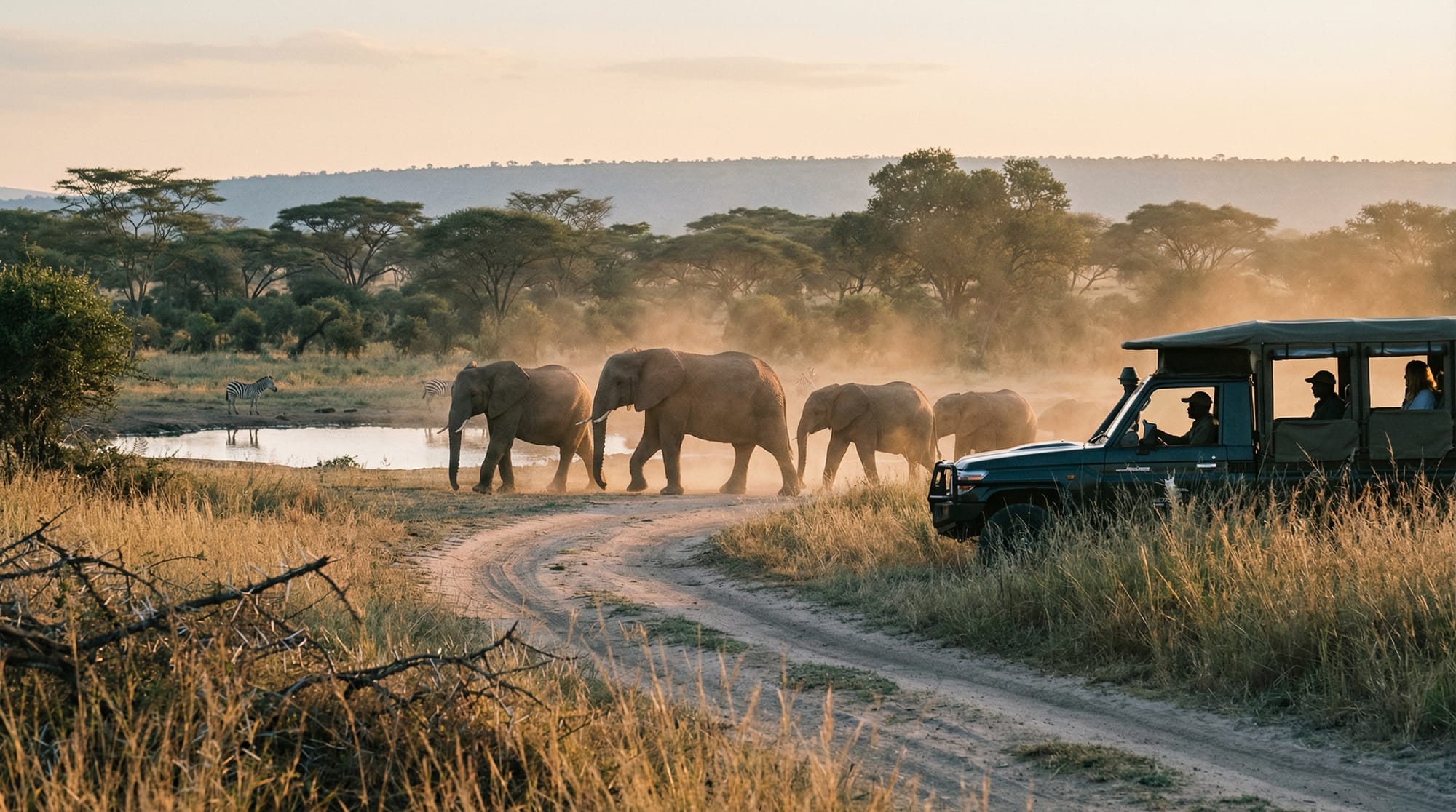
Masai Mara is one of Africa’s most celebrated safari destinations, and for good reason. The reserve and its surrounding conservancies deliver dense wildlife populations, dramatic predator action, and classic savannah scenery that feels like it was designed for first time safari dreams. You can arrive expecting lions and the Great Migration, and still be surprised by how many details shape your actual wildlife viewing success, including light, wind direction, guide communication, vehicle positioning, and even how you sit in the car.
As a first time traveler, it is easy to assume that wildlife viewing is mainly luck. Luck plays a role, but consistent sightings usually come from a set of practical habits and informed decisions. When you understand how animals use the landscape, how guides search, and how to behave around wildlife, you see more, photograph better, and feel calmer and safer while doing it.
This guide shares the top 10 Masai Mara wildlife viewing tips for first time travelers. The goal is not only to help you spot the Big Five, but also to help you experience the Mara ethically and comfortably, while building the kind of confidence that makes every game drive more rewarding. Many guests traveling with Josantos Safaris Masaimara Serengeti Safaris find that applying just a few of these tips transforms their safari from good to unforgettable.
Tip 1: Choose the right season for the experience you want
Masai Mara is a year round wildlife destination, but your viewing style and priorities should guide your timing. First time travelers often focus only on the Great Migration, yet some of the best predator sightings and photographic conditions can occur outside peak migration months. Understanding seasonal patterns helps you set realistic expectations and avoid disappointment.
The Great Migration is usually associated with July to October, when large herds of wildebeest and zebra move into the Mara, and river crossings may happen along the Mara River. This period can deliver iconic scenes and high drama, but it also brings more vehicles and higher prices. If your main goal is migration action and potential crossings, this is the classic window.
However, January to March can be excellent for predators because resident herbivores are present, the grass is often shorter in some areas, and visibility can be strong. April and May are typically the long rains, which can mean fewer crowds and lush landscapes, but also muddier roads and animals dispersed in thicker cover. November and December often offer a nice balance, with greener scenery, newborns for some species, and fewer vehicles than high season.
- Migration focused: Plan for July to October, add extra days to increase chances of crossings.
- Predator focused with fewer crowds: Consider January to March, or November.
- Birding and green landscapes: Look at November to May, especially after rains.
- Budget and privacy: Shoulder months can provide better value and quieter sightings.
Also consider where you stay. The main reserve can be busier, while private conservancies often manage vehicle numbers at sightings and allow certain activities that the reserve does not, depending on rules. If you want a calmer first safari, ask your operator to match your season with the right area and camp location.
Tip 2: Plan for the best light, early mornings and late afternoons win
Wildlife activity and photography both depend heavily on light. In Masai Mara, the middle of the day can be harsh, hot, and bright. Many animals rest in shade then, and photos often have strong contrast that hides detail. First time travelers sometimes sleep in and start late, then wonder why sightings feel slow. Your schedule is one of the biggest predictors of what you see.
Early morning drives are powerful because temperatures are cooler and predators may still be active from nighttime hunting. You also get softer light that flatters fur, feathers, and landscapes. Late afternoon into sunset is similarly productive, as animals become more active again and the golden light improves photos. If your itinerary allows, aim for a full day rhythm that follows animal behavior rather than human comfort.
- Wake up early, depart at or before sunrise when possible.
- Bring a warm layer, mornings can feel cold in an open vehicle.
- Use midday for a relaxed brunch, rest, charging batteries, and reviewing photos.
- Return for an afternoon drive to catch golden hour and evening movement.
If you only have a short stay, prioritize morning and late afternoon drives over long midday drives. If you want a longer continuous day, consider a packed breakfast so you can stay out through late morning when cats may still be moving. Your guide can help you decide based on recent sightings and weather.
Tip 3: Pick accommodation location like a wildlife strategy, not just a hotel choice
Where you sleep determines how much time you spend watching animals versus driving to find them. First time visitors often compare camps mainly by luxury level, yet location can be more important for sightings. The Mara is large, and travel times add up quickly, especially if you are entering the main reserve through gates at specific points.
To maximize viewing, choose a camp that matches your main interests. If you want big cats, consider areas known for lion prides and cheetah territories, and note that cheetahs often prefer open plains. If you want river action and crocodiles, staying closer to the Mara River can reduce commute time. If you want fewer vehicles at sightings, consider conservancy stays that limit the number of cars and sometimes allow off road tracking under regulations.
- Short trips: Stay close to the areas you will game drive most to reduce transit time.
- Photographers: Ask about vehicle limits and off road rules in nearby areas.
- Families and first timers: A location that offers consistent general wildlife can be better than chasing a single highlight.
- Migration seekers: Ask which camps are well positioned for typical herd movements during your travel dates.
Discuss location openly with your operator and guide, including how flexible your daily plan can be. With smart positioning, you gain extra hours of wildlife viewing across your stay, and those hours are often where your best sightings happen.
Tip 4: Learn a simple wildlife search mindset, tracks, behavior, and habitat clues
The best guides are skilled at reading the bush, but you can dramatically improve your own experience by learning a few basics. Wildlife viewing is like a puzzle. Animals leave signs, and other animals react to them. First time travelers who know what to look for can follow the story unfolding around them instead of waiting passively.
Start with habitats. Lions often rest in shade during the day, so look for bushes, riverine woodland edges, and termite mounds that offer a vantage point. Cheetahs like open areas where they can spot prey and accelerate quickly. Leopards favor thicker vegetation and riverine zones, and they often stash kills in trees. Elephants may be found near water sources or moving between feeding areas. If you learn a few habitat preferences, your brain starts scanning more effectively.
Then add behavior clues. Vultures circling can indicate a kill, but they can also be traveling. Alarm calls from birds, especially in woodland edges, can suggest a leopard or other predator nearby. Baboons staring in one direction can also be a signal. Even herbivores can help you. If impala are tense and staring, something is making them nervous.
- Ask your guide to explain tracks at stops, even quick ones, it trains your eye.
- Watch the horizon for scavenger birds and listen for alarm calls.
- Notice wind direction, predators often use wind when stalking.
- When you see one species, scan nearby for predators that hunt them.
You do not need to become an expert. The goal is to understand enough that you feel engaged and present, and that you can anticipate moments, like a lioness preparing to move or a cheetah scanning for a chase line.
Tip 5: Communicate clearly with your guide, your priorities matter
Your guide is your bridge to Masai Mara. Guides share information with each other, interpret animal behavior, and position the vehicle for the best viewing. But they are not mind readers. Many first time travelers assume the guide will automatically know what they want. Clear communication improves your sightings and your satisfaction.
Before your first drive, have a short priorities conversation. Tell your guide what excites you most, maybe it is big cats, elephants, birds, photography, the Great Migration, or simply seeing as many species as possible. Also share what you do not want, such as crowded sightings, long high speed drives, or spending too long at one location. A good guide can balance your preferences with what the day offers.
During drives, ask questions and give feedback. If the vehicle stops and you cannot see well, say so politely. If you need a quick stop for a photo adjustment or to clean a lens, mention it at the right moment. If you are interested in learning, ask for explanations of behavior rather than just names.
- Share your top 3 wildlife goals and top 3 photo goals.
- Tell the guide your comfort preferences, pace, heat sensitivity, motion sensitivity.
- Ask the guide to reposition if you have poor angles or blocked views.
- Let the guide know if you prefer fewer sightings with deeper observation.
Communication also includes patience and trust. Sometimes a guide drives past a sighting because it is too crowded or the angle is poor, aiming for a better moment elsewhere. If you understand the plan, you enjoy the process more.
Tip 6: Master vehicle etiquette and positioning for better viewing and better photos
In Masai Mara, your view depends on where the vehicle is placed, how many other vehicles are present, and how everyone behaves. First time travelers sometimes feel frustrated when a great animal is present but the view is blocked, or when vehicles cluster too tightly and stress the wildlife. The best experiences happen when guests and guides follow respectful, strategic etiquette.
Positioning includes light direction, background, and animal movement. Ideally, you want the sun behind you or at an angle, not directly in front, because backlighting can wash out detail unless you are intentionally going for silhouettes. Your guide will try to anticipate where the animal will move and place the vehicle so you see its face, not just its back. This takes time and restraint.
Etiquette matters too. When many cars arrive, avoid shouting, standing abruptly, or playing audio. Keep voices low. Give other vehicles space and avoid blocking their exit. If you are in a position first, consider sharing the angle rather than guarding it. When everyone behaves well, animals stay relaxed and sightings last longer, benefiting all.
- Keep movement slow and quiet, avoid sudden standing if the roof is open.
- Ask your guide about sun angle for photography and move if needed.
- Avoid asking to drive too close, relaxed animals offer better viewing.
- If a sighting becomes crowded, consider leaving and finding a quieter scene.
Also learn your seat advantage. In a safari vehicle, different seats have different angles. If you are traveling in a group, rotate seats across drives so everyone gets prime viewing at some point. If you are a photographer, ask for a seat that supports stable shooting, usually near an open side with a beanbag or support.
Tip 7: Pack and use the right optics and camera setup, then simplify your workflow
First time travelers often bring either too much gear or not the right gear. In Masai Mara, the best setup is the one you can use quickly and confidently when action happens. Wildlife moments can be sudden, a leopard appears for ten seconds, a cheetah starts a sprint, elephants cross close to the vehicle. If you are changing lenses or digging through bags, you miss it.
For viewing, binoculars are a major upgrade. Even basic 8x or 10x binoculars help you spot distant cats, see bird details, and confirm behavior. Many guests assume the guide will stop close enough for phone photos. Sometimes that happens, but often respectful distance is better, and binoculars turn distant dots into real experiences.
For cameras, a telephoto lens is most helpful. Many travelers find that a 100-400mm or 200-600mm range is ideal, depending on your system. If you have only one lens, choose something flexible rather than extremely long. A second body or a second lens for wider landscape and close elephant moments helps, but only if you can manage it.
- Bring binoculars, even if you have a camera.
- Use a dust cover or dry bag, Mara can be dusty.
- Carry a blower and microfiber cloth for lenses.
- Bring extra batteries and memory cards, and charge daily.
- Use a beanbag for stability, many vehicles do not allow tripods easily.
Workflow matters. Set your camera defaults before the drive. Use a shutter speed that can freeze motion, often 1/1000 or higher for action, with adjustments as light changes. If you use a phone, consider a small clamp or stabilizer, but remember that patience and timing often beat equipment.
Tip 8: Respect wildlife space, ethics improve sightings and safety
Wildlife viewing is best when animals behave naturally. Ethical distance is not only about being kind to animals, it directly improves what you see. When vehicles crowd predators too closely, animals may retreat into cover, abandon hunts, or become stressed and unpredictable. For first time travelers, it is tempting to push closer for a better photo. The best photos often come from calm animals that stay in view longer, not from stressed animals that leave quickly.
Learn to recognize stress signals. Elephants that flap ears widely, shake heads, or mock charge may be uncomfortable. A cheetah repeatedly looking at vehicles instead of scanning for prey is distracted. Lions that stop resting and keep looking toward cars may be disturbed. If your guide suggests backing up, support that choice. Ethical viewing creates a safer environment for everyone.
Safety is part of ethics. Do not feed animals. Do not throw anything from the vehicle. Keep arms inside. If your vehicle has a roof hatch, follow guide instructions about standing and sitting. Predators are used to vehicles but they are still wild. Respectful behavior reduces risk.
- Prioritize calm animal behavior over close distance.
- Never ask a guide to pressure an animal into movement.
- Do not use flash at night or in low light if it disturbs wildlife.
- Keep noise low, especially around cats and birds.
Ethical viewing also supports conservation. Masai Mara’s future depends on wildlife thriving, community benefits, and visitors acting responsibly. When you travel with an operator that values ethics, your experience becomes part of the solution.
Tip 9: Be patient and stay longer at fewer sightings, behavior beats checklists
Many first time safari travelers treat wildlife like a checklist. They want to see everything quickly, tick off species, and move on. While it can be fun to chase variety, the most memorable moments often come from staying with an animal long enough to witness behavior, not just appearance. A lion lying down can become a lion pride interacting, moving, and possibly hunting if you give it time.
Patience also gives your guide time to anticipate action. If a leopard is descending a tree, there may be a reason, perhaps moving to water, meeting a cub, or checking a kill. If you leave immediately, you miss the story. Similarly, watching herbivores for a while can reveal subtle dynamics, like giraffes necking, elephants communicating through body posture, or hyenas testing boundaries.
There is a balance. If nothing changes for a long time, it can be smart to move. But ask your guide what they think, and consider waiting when you see signs of potential movement. First time travelers who slow down often get better photographs and deeper memories than those who rush from one radio call to the next.
- When you arrive at a sighting, take a minute to observe before shooting constantly.
- Ask what the animal’s body language suggests, resting, hunting, traveling, guarding.
- Stay quiet and still when waiting for action, movement can discourage it.
- Celebrate small moments, yawns, grooming, cub play, bird interactions.
Patience is also practical. Mara sightings can be dynamic, and vehicles come and go. If you wait, crowds may thin, and your view improves without any argument or stress.
Tip 10: Take care of your body and comfort, comfort equals more wildlife time
Wildlife viewing sounds passive, but safari days can be physically demanding. Early wake ups, bumpy roads, wind, dust, and sun all add up. If you are uncomfortable, you lose focus, you stop scanning, and you may ask to end drives early. Comfort directly increases your wildlife time and your ability to appreciate what you are seeing.
Start with clothing. Dress in layers. Mornings can be cold, afternoons warm, and evenings cool again. Neutral colors help you feel less conspicuous during stops, though in vehicles it matters less than on walking activities. A warm fleece, light jacket, and a scarf or buff can make early drives far more enjoyable. For sun, a wide brim hat, sunglasses, and high SPF sunscreen are essential.
Hydration and snacks matter. Many camps provide water, but always confirm you have enough in the vehicle. Dehydration causes headaches and fatigue. Bring small snacks if you get hungry between meals, especially if you plan longer drives. Also plan for motion sensitivity. If you are prone to carsickness, take preventive steps early, not after you feel unwell.
- Wear layers for changing temperatures.
- Use sunscreen and lip balm, sun and wind can be intense.
- Carry water at all times, drink regularly even if you do not feel thirsty.
- Bring a light rain jacket in shoulder seasons.
- Pack hand sanitizer and wet wipes for comfort in the field.
Finally, protect your energy. If you want to do both morning and afternoon drives, rest during midday instead of filling the schedule with extra activities. A well paced day leads to better focus, and better focus means more sightings. When your body feels good, you are more present, more patient, and more ready when the wild moments happen.
Bonus: A simple first timer checklist to review the night before a game drive
- Charge camera batteries and phone, clear memory cards.
- Pack binoculars, lens cloth, and a dust cover.
- Lay out warm layers for early morning and sun protection for later.
- Confirm wake up time, departure time, and breakfast plan with your camp.
- Discuss your wildlife priorities briefly with your guide.
- Put water, snacks, and any personal medication in your day bag.
Conclusion: Your first Masai Mara safari can be legendary with a few smart habits
Masai Mara rewards curiosity, patience, and preparation. If you choose the right season, prioritize early and late light, stay in a strategic location, communicate clearly with your guide, and approach wildlife with ethics and calm, you will see more and enjoy it more. The reserve is full of life, from massive elephant herds to secretive leopards in riverine trees, from cheetahs scanning open plains to the endless movement of grazers that supports the whole ecosystem.
Most importantly, remember that wildlife viewing is about more than collecting photos. It is about understanding the rhythm of a place and feeling the privilege of being close to truly wild animals. Travel with respect, stay flexible, and let your guide help you read the Mara. With these tips, your first safari will not feel like a rushed tour. It will feel like the beginning of a lifelong connection to East Africa’s wilderness.