Top 10 Budget Safari Packages in Masai Mara and Serengeti, What You Get and How to Choose
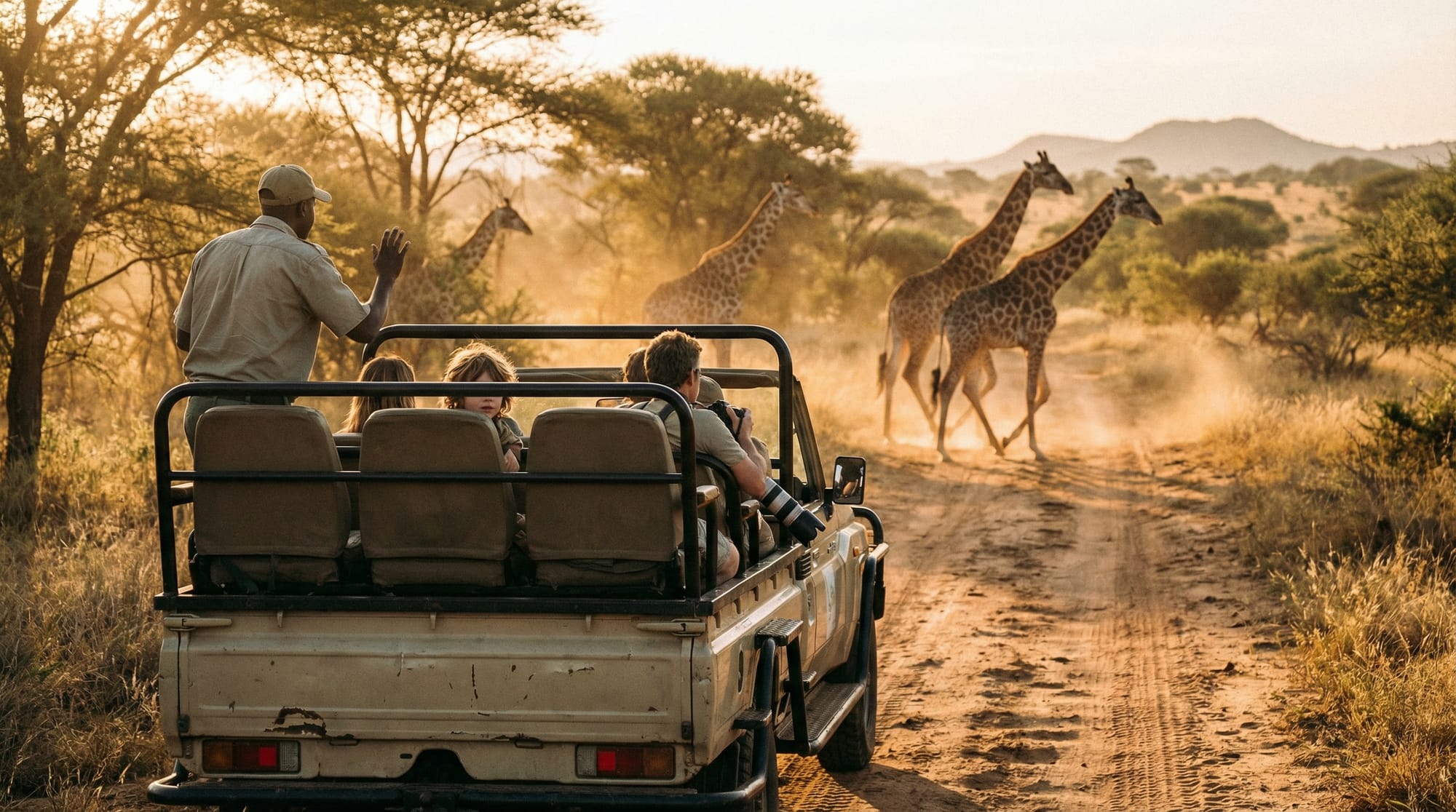
Budget safaris in the Masai Mara and Serengeti are not about “cheap travel”. They are about smart tradeoffs that protect the core safari experience, reliable wildlife viewing, safe logistics, trained guides, and the right parks in the right season. With the right package, you can witness the Great Migration, track the Big Five, and enjoy authentic cultural moments without paying luxury lodge rates.
This guide lists ten practical budget safari package styles that travelers commonly book in Kenya and Tanzania, what each package typically includes, what it does not, and who it suits best. Then you will find a clear checklist for comparing prices, verifying quality, and choosing the best itinerary for your time, budget, and travel style.
Before the Top 10, what “budget” usually means in Masai Mara and Serengeti
In safari terms, “budget” typically means you save money on accommodation type and the level of exclusivity, not on safety or core park access. Budget packages usually use public campsites or permanent tented camps, shared vehicles, and set departures. You still pay park or reserve fees, you still use a trained driver guide, and you still spend multiple hours per day game driving.
Key factors that change a safari price
- Park or reserve fees and conservancy fees: These are fixed or seasonally updated, and they make up a big portion of the total spend.
- Accommodation type: Public campsite, budget tent, midrange camp, lodge. Private bathrooms, hot showers, and location inside the park raise costs.
- Transport method: Road safari is cheaper. Flying into the Mara or Serengeti costs more but saves time.
- Vehicle type and sharing: Shared minivan or shared 4x4 Land Cruiser is cheaper than a private 4x4.
- Season: Peak months for the Migration and holidays cost more. Shoulder season can be outstanding value.
- Number of nights in the park: More nights increase costs but improve your wildlife odds.
A note on the Great Migration
The Migration is a moving system, not a guaranteed “show”. Great herds can be present without a dramatic river crossing, and crossings can happen quickly and unpredictably. A good budget plan is to book the right region in the right month, then spend enough time game driving to maximize your chances.
Top 10 Budget Safari Packages in Masai Mara and Serengeti, what you get and how to choose
1) 3 day Masai Mara budget camping safari from Nairobi
This is the classic entry level Masai Mara package. It is designed for travelers who want a real safari experience with minimal time off work and a controlled budget. Because the Masai Mara is relatively accessible from Nairobi, a 3 day itinerary can still deliver strong Big Cat sightings if the schedule is executed well.
- Typical route and timing: Day 1 Nairobi to Masai Mara, afternoon game drive. Day 2 full day game drives. Day 3 morning game drive then return to Nairobi.
- What you usually get: Shared transport (often a safari van, sometimes a 4x4), park entry fees, 2 nights camping, basic camping gear (tent, mattress), a cook or camp staff, meals (often lunch, dinner, breakfast), bottled drinking water during drives, and a driver guide.
- What to verify before booking: Whether the accommodation is public campsite inside the reserve area or outside the gate. Whether the vehicle is a 4x4 if traveling in rainy season. Whether you have enough game drive hours on Day 2.
- Common exclusions: Sleeping bag, balloon safari, Maasai village visit, drinks, tips, and sometimes pick up outside central Nairobi.
- Best for: First time safari travelers, backpackers, students, and anyone prioritizing wildlife time over comfort.
How to choose this package well
- Ask the campsite name and location: Being very far from key wildlife areas can reduce game drive time.
- Confirm minimum game drive hours: A “full day” should be meaningful. Clarify start times and return times.
- Confirm group size: Small groups improve viewing. Very large groups can reduce flexibility.
2) 4 day Masai Mara and Lake Nakuru budget safari, camping or budget lodge
This package adds variety by combining big predators of the Mara with flamingos, rhino, and birdlife in Lake Nakuru National Park. It is one of the best value add ons because Nakuru is compact and efficient for sightings, and the change in scenery breaks up long drives.
- Typical route and timing: Nairobi to Nakuru, game drive. Next day to Masai Mara, afternoon game drive. One full day in Mara. Return to Nairobi via Narok.
- What you usually get: Park fees for both parks, 1 night near Nakuru, 2 nights near or in the Mara, shared vehicle, meals, driver guide, and basic game drives.
- What to verify before booking: Whether Nakuru is a proper game drive day or only a quick drive through. Confirm that the Mara still gets at least a full day plus an afternoon and morning drive.
- Common exclusions: Boat rides (not typical in Nakuru), Maasai village, drinks, tips, and sleeping bag if camping.
- Best for: Travelers who want rhino chances at a budget price, birders, and those who prefer a multi park feel without leaving Kenya.
How to choose this package well
- Pick accommodation carefully: A budget lodge with private bathroom can be a big comfort upgrade for a modest extra cost.
- Check driving time realism: Too many parks in too few days can become a “road trip” rather than a safari.
3) 5 day Masai Mara and Lake Naivasha budget safari, wildlife plus relaxation
Lake Naivasha offers a softer, more relaxed break between intensive game drives. It can include a boat ride and a walking safari on Crescent Island, which is a rare chance to walk close to herbivores in a controlled setting. For budget travelers, this feels like an upgrade because it adds activities without the cost of extra flight legs.
- Typical route and timing: Nairobi to Naivasha, boat and optional walking activity. Next day drive to the Mara, afternoon game drive. One full day in Mara. Final day morning drive then return.
- What you usually get: Accommodation in Naivasha and Mara, park or reserve fees for the Mara, meals, shared vehicle, driver guide.
- What to verify before booking: Whether the Naivasha boat ride is included or optional. Whether the package includes Crescent Island fees if offered.
- Common exclusions: Boat ride fees if not included, drinks, tips, sleeping bag if camping.
- Best for: Couples, small friend groups, and anyone wanting a balance of active game drives and scenic downtime.
How to choose this package well
- Ask about activity timing: A rushed Naivasha stop can feel like a checkbox. Aim for at least a half day experience.
- Confirm Mara nights: Two nights in the Mara is a minimum for better wildlife probability.
4) 6 day Kenya plus Tanzania budget combination, Masai Mara and Serengeti via Isebania border
This is the classic budget “two countries, one trip” route. It involves crossing from Kenya to Tanzania by road, then continuing to the Serengeti. It is cost effective because you avoid flying and you keep the itinerary compact. It can be tiring, but it is a powerful way to compare two legendary ecosystems and still stay in a budget bracket.
- Typical route and timing: Nairobi to Masai Mara for 2 nights, then drive to the Isebania border, transfer to a Tanzania vehicle, continue to Serengeti for 2 nights, then exit via Ngorongoro area or return to Arusha depending on plan.
- What you usually get: Park fees for Mara and Serengeti, shared transport in each country, camping or budget tented accommodation, meals, water, driver guides in both countries, border coordination and handover.
- What to verify before booking: Who handles border paperwork support, how baggage transfer works, whether you will have a long “dead drive” day, and whether there is time for meaningful game drives in both parks.
- Common exclusions: Visa fees, travel insurance, drinks, tips, and sometimes a separate Arusha hotel night if the itinerary ends late.
- Best for: Budget travelers eager to see both icons, people comfortable with long drives, and groups seeking maximum park time per dollar.
How to choose this package well
- Demand a clear border day schedule: Border delays happen. A good operator builds buffer time and communicates the process.
- Check the vehicle standard in Tanzania: For Serengeti, a 4x4 with pop up roof is strongly preferred.
5) 7 day Tanzania budget circuit, Serengeti and Ngorongoro Crater camping safari
In Tanzania, the strongest budget value often comes from combining Serengeti with the Ngorongoro Crater. The Crater can be expensive due to fees, but it delivers dense wildlife viewing in a single day. For many travelers, this mix creates a high satisfaction trip, even at budget accommodation level.
- Typical route and timing: Arusha to Manyara or Tarangire (optional), then onto Serengeti for 2 to 3 nights, then Ngorongoro for the Crater descent, return to Arusha.
- What you usually get: Park fees, Crater service fee, camping gear, cook, meals, 4x4, driver guide, camping nights inside or near parks depending on plan.
- What to verify before booking: How many nights are actually inside Serengeti, whether the Crater descent is guaranteed, and whether you camp on the Crater rim area or outside in Karatu.
- Common exclusions: Sleeping bag in some budget tiers, optional Maasai boma visit near Ngorongoro, drinks, tips.
- Best for: Travelers who want top tier wildlife density in Tanzania without paying for lodges, photographers who want varied landscapes, and those who can handle cool nights at higher elevation.
How to choose this package well
- Prioritize Serengeti nights over extra parks: One more Serengeti night often improves sightings more than adding another park stop.
- Ask about campsite facilities: Some campsites have basic washrooms, others are very simple. Knowing expectations prevents disappointment.
6) 8 day Great Migration budget focus, Northern Serengeti plus Central Serengeti
If your dream is the Great Migration, a budget safari can still target it effectively by placing nights in the correct Serengeti region. The core idea is simple, do not spend most of your budget circuit far away from where the herds are likely to be. A Migration focused plan typically includes Central Serengeti for predator activity and Northern Serengeti during river crossing season.
- Typical route and timing: Arusha to Central Serengeti, then move to Northern Serengeti near the Mara River, then return via Central and Ngorongoro.
- What you usually get: Multi zone Serengeti game drives, park fees, camping or budget tented camps, 4x4 vehicle, meals, water, driver guide, and sometimes a picnic lunch setup for long drives.
- What to verify before booking: Whether the itinerary truly includes Northern Serengeti nights, not just a “visit”. Confirm the number of nights north, and where the camp is located relative to key river access points.
- Common exclusions: Balloon safari, beverages, tips, and sometimes a single room supplement if you are traveling solo.
- Best for: Travelers visiting July to October in Tanzania, wildlife lovers who want the highest herd probability, and those who accept a higher budget than a standard circuit to be in the right place.
How to choose this package well
- Match months to region: Ask your operator where the herds are typically found during your travel window and why the route was chosen.
- Get clarity on driving distances: Transfers between Central and Northern Serengeti are long. Ensure you are not losing too many prime hours daily.
7) 9 day Kenya and Tanzania budget package, Masai Mara plus Serengeti plus Ngorongoro
This is the “big icons” itinerary and is often the best all around value for travelers who have just over a week and want the full story, Kenya’s Masai Mara, Tanzania’s Serengeti plains, and the Ngorongoro Crater. In budget form, it usually involves camping or mixed budget tented camps, and it relies on road transfers and border coordination.
- Typical route and timing: Nairobi to Mara 2 nights, cross into Tanzania, Serengeti 2 to 3 nights, Ngorongoro 1 night, Crater day, then Arusha.
- What you usually get: Park fees for all key parks, shared 4x4 in Tanzania, shared or semi private in Kenya, meals, accommodation, drivers and guides, and structured daily game drives.
- What to verify before booking: Total game drive time in each flagship park. Ensure Mara and Serengeti both have meaningful full days, not only transit days.
- Common exclusions: Visas, some airport transfers, drinks, tips, sleeping bag if camping, optional cultural visits.
- Best for: First time East Africa travelers who want both countries, families with older children who can handle longer days, and small groups who want variety without upgrading to flights.
How to choose this package well
- Check handover quality at the border: A reputable operator coordinates the crossover so you are not stranded or confused.
- Ask about accommodation consistency: A “budget” label can hide huge differences. Ask for property names and sample photos.
8) 10 day budget safari with cultural add on, Maasai village and local experiences, without sacrificing wildlife
A good safari is not only about animals, it is also about people and place. Budget travelers can include cultural experiences in a respectful way by choosing an itinerary that keeps wildlife priorities first, then adds a village visit or community experience at appropriate times. The key is to avoid “token” stops that feel rushed, staged, or exploitative.
- Typical route and timing: Masai Mara plus additional nights, then cross to Tanzania for Serengeti or Ngorongoro, plus structured cultural visit near the Mara or Ngorongoro highlands.
- What you usually get: Standard game drives and park fees, plus a planned cultural visit (often with an entry contribution), translation help by your guide, and time for crafts or conversations.
- What to verify before booking: Whether the cultural activity is optional, how fees are distributed, and what the visit includes. Also confirm it does not replace critical game drive hours.
- Common exclusions: Personal purchases, tips for performers or artisans, drinks.
- Best for: Travelers who want context and learning, families seeking broader experiences, and visitors interested in photography beyond wildlife.
How to choose this package well
- Ask for transparency on community fees: Ethical operators can explain where payments go and how visits are arranged.
- Request a schedule that protects prime wildlife windows: Early mornings and late afternoons are best for game viewing. Keep cultural activities mid day when possible.
9) Fly in budget package, Masai Mara or Serengeti by plane, budget camp on the ground
Flying is not always “luxury”. Sometimes it is the smartest way to buy time. A fly in budget package uses a flight to cut long transfer days, while keeping accommodation and guiding at a budget or midrange level. This is ideal when your holiday is short and you want maximum time in the reserve.
- Typical route and timing: Fly Nairobi to Mara airstrip, or Arusha to Serengeti airstrip. Spend 2 to 4 nights in a budget tented camp. Fly back or drive out depending on plan.
- What you usually get: Return flight or one way flight, shared transfers between airstrip and camp, park fees, game drives in a 4x4, accommodation and meals.
- What to verify before booking: Baggage limits on light aircraft, which airstrip is used, and whether game drives are in camp vehicles or a separate shared vehicle system.
- Common exclusions: On flight drinks, tips, laundry, extras at camp, sometimes credit card surcharges.
- Best for: Busy professionals, honeymooners on a budget who want comfort and time, older travelers who want fewer bumpy road hours, and photographers wanting more prime light hours.
How to choose this package well
- Compare total safari hours, not just price: A fly in may cost more, but it can add a full extra day of game drives compared with road transfers.
- Confirm where the camp sits: Camps closer to key wildlife areas reduce transit to sightings.
10) Private budget safari in a 4x4, small group upgrade without luxury accommodation
Many travelers assume private safaris are always expensive. Not necessarily. If you keep accommodation at budget level and travel with 2 to 6 people, hiring a private 4x4 can be surprisingly reasonable per person. The key benefit is flexibility, you can start earlier, stay longer at sightings, and shape the day around your interests.
- Typical route and timing: Flexible, often Masai Mara only, Serengeti only, or a combined route with selected stops.
- What you usually get: Private vehicle, private driver guide, tailored game drive schedule, park fees, accommodation and meals, and more control over stops and pacing.
- What to verify before booking: Whether your vehicle is a true 4x4 with pop up roof, what fuel policy is used, and whether the guide is fluent in your preferred language.
- Common exclusions: Optional activities, drinks, tips, and sometimes airport transfer if starting from a different city.
- Best for: Families, friends traveling together, photographers, birders, and anyone who strongly dislikes shared group pacing.
How to choose this package well
- Ask for a written vehicle and guide commitment: Confirm that your booking guarantees a private vehicle, not “subject to availability”.
- Evaluate value per person: A private safari shines when you can split costs across a small group.
What you get on most reputable budget safaris, a detailed checklist
Use this section as a quick comparison tool. When two operators offer similar prices, differences usually hide in the details below.
- Park or reserve entry fees included in the quote: Ask for the name of the park or reserve and the number of days covered by the fees.
- Professional driver guide: Verify training, years of experience, and whether the guide is registered or licensed where required.
- Safari vehicle with viewing roof: In Tanzania’s Serengeti, 4x4 is effectively a must. In Kenya, vans can work in dry months, but 4x4 is safer in wet months.
- Game drive schedule: Ensure you have early morning and late afternoon drives, not just mid day.
- Accommodation standards: Ask if it is public camping, private campsite, permanent tented camp, or lodge. Confirm if bathrooms are shared or private.
- Meals and water: Clarify number of meals per day, picnic lunch inclusion, dietary support, and how much drinking water is supplied.
- Transfers and pick ups: Confirm where pick up is included, and whether you are returned to your hotel or a central meeting point.
- Emergency support: Ask what happens if a vehicle breaks down, how quickly a replacement arrives, and whether the operator has multiple vehicles in the region.
What is often not included, and can surprise budget travelers
- Sleeping bag and pillow for camping: Some packages include them, many do not. Renting locally is common.
- Tips: Tipping is customary. Build it into your budget.
- Drinks: Soft drinks, alcohol, and sometimes even bottled water beyond a daily limit.
- Balloon safari: An amazing add on, but rarely “budget”.
- Maasai village visit fees: Often optional and paid directly.
- Visas and border taxes: Especially for combined Kenya and Tanzania trips.
- Travel insurance: Strongly recommended, and often required by good operators.
- Single supplement: Many budget packages price per person sharing. Solos may pay more.
How to choose the right budget safari package, step by step
1) Start with your non negotiables
- Must see wildlife: Big Five, Great Migration herds, river crossings, big cats, rhino, or birds.
- Comfort level: Are you comfortable with shared bathrooms, camping showers, and cooler nights?
- Time limit: Your available days will decide whether you should focus on one park or combine regions.
- Budget range: Decide your true total, including tips, visas, gear rentals, and optional activities.
2) Choose your season with realistic expectations
- Dry season advantages: Easier roads, animals cluster near water, less vegetation, good viewing.
- Green season advantages: Better prices, fewer crowds, dramatic skies, newborn animals in some periods, excellent birding.
- Migration timing: Ask for the best region for your month, not a generic promise. The Mara and Serengeti are connected, but access and fees differ.
3) Pick one flagship park if you have limited time
If you have 3 to 5 days door to door, focusing on either Masai Mara or Serengeti usually produces a better safari than a rushed cross border plan. If you have 7 to 10 days, combining can make sense.
- Choose Masai Mara when: You want strong wildlife in a short road trip from Nairobi, you want a high chance of big cats, and you prefer Kenya logistics.
- Choose Serengeti when: You want vast landscapes, multi day Migration tracking, and you can commit enough nights to justify the longer travel.
4) Inspect the itinerary for hidden “lost hours”
Two itineraries can look similar on paper while delivering very different time in the park. Look for these common traps.
- Late departures: A Day 1 that leaves at 10 AM often reduces your first game drive to a short loop.
- Too many “optional” activities: Optional stops can shrink game drive hours unless they are carefully scheduled.
- Overpacked routes: Adding many parks can mean spending more time on the road than on wildlife viewing.
- Accommodation far outside gates: You can lose hours daily commuting and may miss sunrise wildlife activity.
5) Compare vehicles honestly, and ask direct questions
- Kenya vehicle options: Budget offers can use safari vans. Ask if the roof opens fully, if seats are guaranteed by window, and if the vehicle is maintained for rough roads.
- Tanzania vehicle baseline: For Serengeti and Ngorongoro, a 4x4 Land Cruiser type vehicle with pop up roof is the practical baseline.
- Group size and seat rotation: Confirm how many people are in the vehicle and whether seat rotation is practiced for fairness.
6) Understand accommodation categories, then decide where you want to spend extra
Budget does not have to mean discomfort. Many travelers choose to spend a little more for a permanent tented camp with a private bathroom, while keeping a shared vehicle and road transfers to stay within budget.
- Public camping: Lowest cost, basic facilities, strongest “adventure” feel.
- Private campsite or budget camp: Often quieter, sometimes better showers and better safety perimeter.
- Permanent budget tented camp: Beds, linens, private bathrooms in many cases, still a safari feel.
- Budget lodge: Solid comfort and meals, may be farther from prime wildlife areas depending on location.
7) Demand a transparent quote, line by line
Budget safari marketing often bundles everything into one number. That is fine if the operator is clear. Ask for a breakdown so you can compare apples to apples.
- Park fees: Which parks, how many days.
- Accommodation: Property names, meal plan, room type.
- Transport: Private or shared, vehicle type, fuel included.
- Extras: Border fees, guide fees, crew fees, cooking staff if camping.
- Taxes: Confirm whether VAT or tourism levies are included.
8) Prioritize guide quality over minor comfort upgrades
Your guide influences your sightings, safety, and learning more than almost anything else. A great guide finds tracks, reads behavior, knows park rules, and positions the vehicle well for viewing and photography.
- Questions to ask: How long have you guided in Masai Mara or Serengeti, do you specialize in wildlife interpretation, what is your approach to crowd management at sightings, and can you support bird identification if needed?
- Green flags: Clear communication, realistic promises, safety first attitude, respect for animals, and knowledge of seasons.
9) Look for ethical and ecological practices, even on a budget
Responsible behavior is not only for luxury tourism. Budget safaris can be ethical and low impact if operators follow guidelines.
- Wildlife ethics: No chasing animals, no off road driving where prohibited, and respect for other vehicles.
- Waste control: Carry out trash, avoid single use plastics when possible, refill water bottles.
- Community benefit: Use local staff, pay fair wages, and offer transparent community visits.
10) Plan smart add ons, choose one or two high impact extras
Budget does not mean “no extras”. It means choosing the right extras.
- Balloon safari: High cost, high impact experience. Consider it if it is your once in a lifetime trip.
- Extra night in the flagship park: Often the best upgrade you can buy for wildlife.
- Private vehicle for one day: Some operators can offer a private day for photography or a special request.
- Better accommodation for the last night: A comfort “finish” can feel great without changing the whole budget.
Sample decision scenarios, matching travelers to the right package
Scenario A, 3 to 4 days total, first safari, Nairobi start
- Best fit: Package 1 or Package 2.
- Why: Minimal travel complexity, high wildlife probability in the Mara, manageable budget.
Scenario B, 6 to 7 days, want one world class park plus one major highlight
- Best fit: Package 5.
- Why: Serengeti plus Ngorongoro gives strong wildlife density and variety in Tanzania.
Scenario C, 8 to 10 days, dream is Migration and iconic landscapes
- Best fit: Package 6 or Package 7.
- Why: Enough time to place nights in the correct Serengeti zones and still add the Crater.
Scenario D, traveling with family or friends, want flexibility but still budget focused
- Best fit: Package 10.
- Why: Private 4x4 increases comfort and control, while you keep costs down with budget camps.
Scenario E, short holiday, hate long drives, want maximum safari hours
- Best fit: Package 9.
- Why: Flying saves time, you spend more hours in the reserve, and budget camps keep the overall cost under control.
Questions to ask any operator before you pay
- What exactly is included in the price, and what is excluded? Ask for a written list.
- Which accommodation properties are used? Ask for names, not categories.
- Is the vehicle a 4x4, and is it shared or private? Confirm in writing.
- How many people will be in the vehicle? Also ask about window seats and seat rotation.
- How many game drives are included, and what are the typical hours? Clarify sunrise and sunset plans.
- What is the backup plan for vehicle issues? Ask response time and support network.
- How do you handle dietary needs? Vegetarian, vegan, allergies, religious preferences.
- For cross border trips, who coordinates the border process? Confirm handover and timing.
- What is the cancellation and refund policy? Particularly important for peak season bookings.
Common budget safari mistakes, and how to avoid them
- Choosing the lowest price without checking park fee inclusions: Some quotes exclude entry fees and look cheaper than they are.
- Underestimating driving time: Long transfers can be exhausting. Build in rest or fly if needed.
- Booking too few nights in the main park: One night in Serengeti is rarely enough for a once in a lifetime trip.
- Not packing for cold mornings: Even on the savannah, early drives can be chilly. Bring layers.
- Skipping travel insurance: Medical and evacuation coverage matters in remote areas.
- Ignoring baggage rules on small planes: Soft bags and weight limits are standard.
Packing priorities for a budget safari
- Clothing: Neutral colors, light layers, warm fleece for mornings, rain jacket in wet season.
- Footwear: Comfortable closed shoes, sandals for camp.
- Gear: Binoculars if you can, camera with dust protection, power bank, headlamp for camping.
- Health and safety: Sunscreen, insect repellent, prescribed meds, basic first aid, reusable water bottle.
- Camping specific: Sleeping bag if not provided, quick dry towel, wet wipes.
Final guidance, choosing value, not just a low price
The best budget safari is the one that protects wildlife viewing hours, uses the right parks for the season, provides a capable guide, and sets honest expectations about comfort. If you compare packages using a clear checklist, validate inclusions in writing, and prioritize time in the right ecosystems, you can experience the Masai Mara and Serengeti in a way that feels rich, safe, and unforgettable without paying luxury rates.
If you are planning with a tour operator such as Josantos Safaris Masaimara Serengeti Safaris, ask them to map your dates to the right regions, then build the most direct itinerary that maximizes prime game drive time. That approach is what turns a budget plan into a truly premium experience in the wild.
